
Hurricane Season Tree Preparedness: Protecting Your Beaufort Property Before the Storm
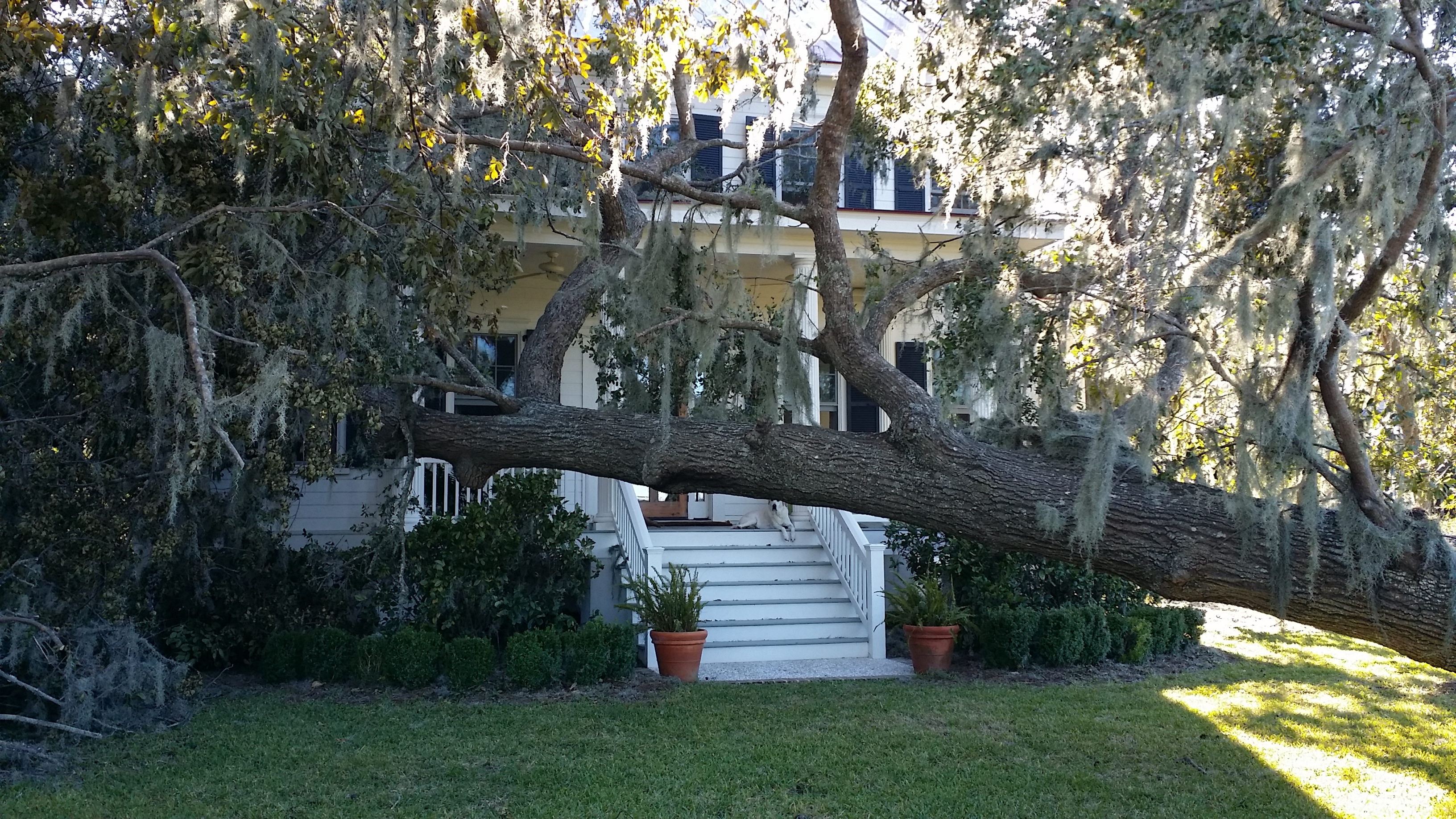
Photo: Marek Studzinski / Unsplash
If you’ve lived in the Lowcountry for any length of time, you know hurricane season isn’t a maybe — it’s a when. From June through November, Beaufort and the surrounding sea islands sit squarely in the path of tropical systems moving up the Atlantic. And when the wind picks up, it’s not your roof that usually causes the most damage to your home or business — it’s your trees.
At Southern Tree Services of Beaufort, Inc., we’ve spent over 30 years helping Lowcountry residents and businesses get ahead of storm season instead of cleaning up after it. Here’s what you need to know to protect your property before the next storm makes landfall.
Why Coastal Trees Are Especially Vulnerable
Beaufort’s beautiful live oaks, pines, and palms are part of what makes this area special — but our sandy, often waterlogged soil doesn’t give root systems the same anchoring that trees get further inland. Add in decades of Spanish moss buildup, deadwood, and storm-weakened limbs, and you have a recipe for trees that look healthy but are actually a serious risk once sustained winds arrive.
Pine trees, in particular, are notorious for snapping or uprooting in high winds due to their shallow root plates. Live oaks tend to hold up better structurally but can drop massive limbs without warning if there’s internal decay you can’t see from the ground.
A Pre-Season Inspection Is Your Best Investment
The single most effective thing a property owner can do before hurricane season peaks is schedule a professional tree inspection. Our ISA-certified arborists know what to look for that an untrained eye will miss:
Root and soil issues — heaving soil, fungal growth, or leaning trunks that indicate a compromised root system
Deadwood and weak limb unions — branches that could become dangerous projectiles in high wind
Canopy density — trees with too much crown weight and wind resistance are more likely to fail
Cavities and decay — hidden rot that weakens a tree’s structural integrity from the inside out

Photo: Zack Masters / Unsplash
Steps You Can Take Now
Schedule a pruning. Thinning out dense canopies reduces wind resistance and allows storms to pass through the tree rather than pushing against it. This is one of our free-estimate services, so there’s no cost to find out what your property needs.
Remove hazardous or dead trees. A dead or dying tree that might survive a calm year has a much higher chance of coming down in a Category 1 storm — right onto a roof, fence, or power line.
Consider cabling and bracing for high-value trees. For large, mature trees you want to protect — especially heritage live oaks — cabling and bracing systems can provide additional structural support to vulnerable limb unions.
Get a hazardous tree evaluation. If you’re unsure whether a specific tree poses a real risk, our consultation-based Hazardous Tree Evaluation gives you a professional, documented assessment — valuable both for your own peace of mind and for insurance purposes if a storm does cause damage.
Don’t forget root fertilization. Healthy roots anchor better. A tree under stress from drought, construction damage, or poor soil is more likely to fail in high winds than one that’s been properly maintained.
Commercial and HOA Properties: Don’t Wait Until the Last Minute
If you manage a golf course, commercial property, or HOA common area, hurricane prep isn’t just about property damage — it’s about liability. A downed tree on a fairway, parking lot, or shared right-of-way can mean lost revenue, insurance claims, and safety risks for the people who use your property every day. We work with commercial and institutional clients across Beaufort County to get ahead of storm season with proactive assessments rather than emergency response calls.
Don’t Wait for the Cone of Uncertainty
By the time a storm is 5 days out, tree companies across the Lowcountry are booked solid. The property owners who fare best in hurricane season are the ones who called in June, not the ones scrambling in September.
Ready to get your property storm-ready? Southern Tree Services of Beaufort offers free estimates on tree removal, pruning, cabling and bracing, and more. Give us a call at 843-522-9553 or stop by our office at 56 Sheppard Rd., Beaufort, SC 29907 to schedule your pre-season inspection today.
